
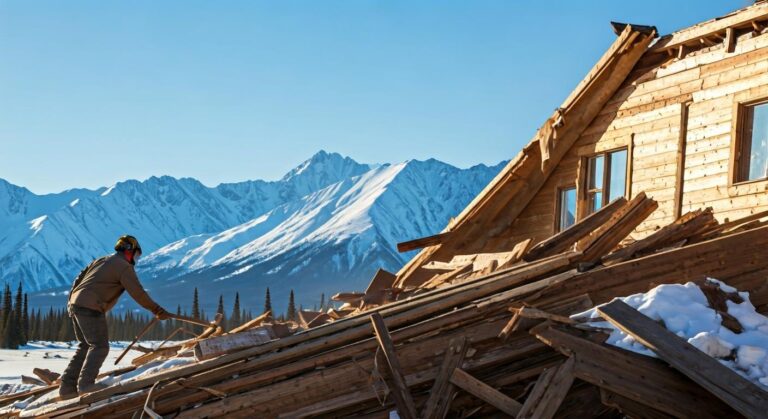
When embarking on a house demolition project in Whitehorse, safety should always be your top priority. The unique climate and building regulations in this northern Canadian city present specific challenges that require careful planning and execution. Whether you’re clearing space for a new dream home or removing a structure that’s seen better days, following proper safety protocols is essential. Safe house demolition in Whitehorse isn’t just about protecting yourself and your property—it’s about safeguarding the community and environment around you. Let’s explore the five essential tips that will help ensure your demolition project proceeds without a hitch.
Understanding Local Regulations Before Demolition
Before you even think about swinging that sledgehammer, you need to familiarize yourself with Whitehorse’s specific demolition regulations. The City of Whitehorse has particular requirements that differ from other Canadian municipalities, especially considering the unique subarctic climate and environmental considerations.
First things first, you’ll need to obtain the proper permits. This typically involves submitting detailed plans to the city’s building department and potentially arranging for inspections. Don’t skip this step! Working without permits can result in hefty fines and might force you to halt your project mid-demolition.
Additionally, be aware of Whitehorse’s waste disposal regulations. The city has specific guidelines for how demolition materials should be sorted, recycled, and disposed of. Given the remote location, disposal options might be more limited than in larger urban centers, so planning ahead is crucial.
Conducting Professional Inspections
Before demolition begins, having your property professionally inspected is a non-negotiable step. This is particularly important in Whitehorse, where older homes might contain materials that aren’t immediately obvious to the untrained eye.
Asbestos and Lead Assessment
Many homes built before the 1990s contain asbestos in insulation, flooring, or ceiling materials. Similarly, lead paint was commonly used in houses constructed prior to 1978. Exposure to these materials can cause serious health issues, so professional testing is essential.
In Whitehorse’s climate, where homes were often heavily insulated to combat the cold, asbestos materials may be more abundant than in warmer regions. A qualified inspector can identify these hazards and recommend proper removal procedures.
Structural Assessment
Understanding how your house was built helps determine the safest demolition approach. A structural engineer can identify load-bearing walls and potential collapse risks. This is particularly important in Whitehorse, where buildings must withstand significant snow loads and extreme temperature fluctuations, which can affect structural integrity in unique ways.
Preparing Your Site Properly
Once inspections are complete and permits are in hand, proper site preparation becomes your next focus. This step is crucial for both safety and efficiency.
First, ensure all utilities are properly disconnected. This includes:
In Whitehorse’s challenging climate, special attention should be paid to water lines. Improper disconnection could lead to freezing and rupturing of pipes during colder months, potentially causing significant damage to municipal systems or neighboring properties.
Next, establish a clear perimeter around your demolition site. Use construction fencing or barriers to keep unauthorized people at a safe distance. Consider the proximity of neighboring structures and take steps to protect them from debris, dust, and vibration.
Using the Right Equipment and Protection
Having the proper tools and protective gear isn’t just about efficiency—it’s about staying safe throughout the demolition process.
For personal protection, always wear:
When it comes to equipment, consider Whitehorse’s climate when making your selections. During winter months, thermal considerations become important for both workers and equipment. Hydraulic systems can behave differently in extreme cold, and battery-powered tools may lose efficiency.
For larger demolition projects, consider hiring professional contractors with specialized equipment designed for Whitehorse’s conditions. They’ll have the expertise and tools necessary for efficient and safe demolition, particularly important when dealing with the city’s shorter construction season.
Planning for Proper Waste Management
The final tip—but certainly not the least important—is to develop a comprehensive waste management plan. Whitehorse has limited landfill capacity, and the city strongly encourages recycling and reuse of materials.
Before demolition begins, identify which materials can be salvaged for reuse or recycling:
Contact the Whitehorse Waste Management Facility in advance to understand their acceptance policies and fees. Some materials may require special handling or disposal methods, and certain items may not be accepted at all.
Consider renting multiple dumpsters to pre-sort materials during demolition. This not only makes the disposal process easier but can also reduce your overall disposal costs as recycled materials often cost less to process than general waste.
In Whitehorse’s unique environment, responsible waste management isn’t just good practice—it’s essential for preserving the natural beauty and resources that make the Yukon special. By planning ahead, you can minimize your project’s environmental impact while potentially saving money through recycling and reuse.
Taking the time to plan and execute your demolition project with safety as your guiding principle will ensure not only your personal protection but also the wellbeing of your community and the environment. Safe house demolition in Whitehorse requires attention to detail, respect for local regulations, and a commitment to responsible practices—but the peace of mind that comes from doing things right is well worth the effort.


