
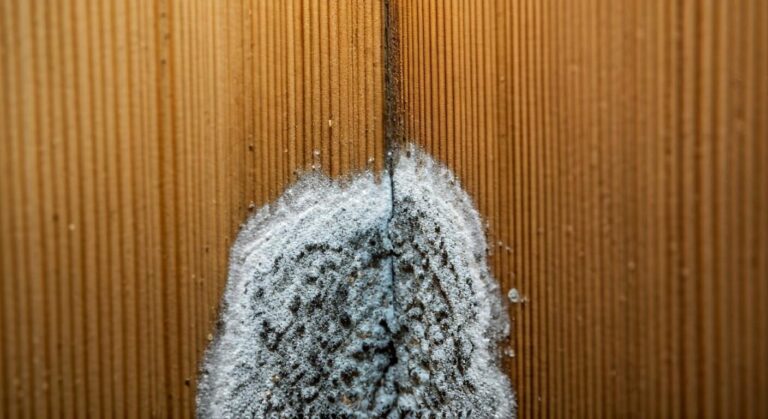
Discovering mold in your home can be alarming, especially in Whitehorse’s unique climate where indoor moisture can become trapped during our long winters. As a homeowner here, you’re likely familiar with how our seasonal temperature fluctuations can create the perfect conditions for mold growth. Whether it’s in your bathroom, basement, or hidden behind furniture, addressing mold promptly is essential for maintaining both your home’s structural integrity and your family’s health. The following safe mold removal tips are specifically tailored for Whitehorse homes, taking into account our distinctive northern environment and the challenges it presents.
Understanding Mold in Whitehorse Homes
Mold thrives in our Yukon homes for several reasons. Our long, cold winters mean houses are tightly sealed for months, reducing ventilation. When warm indoor air meets cold surfaces like windows and exterior walls, condensation forms – creating ideal mold conditions. Additionally, the spring thaw can introduce moisture into basements and crawl spaces if proper drainage isn’t maintained.
Before diving into removal techniques, it’s important to identify the type of mold you’re dealing with. Common varieties in Whitehorse include:
Remember that extensive mold problems, especially black mold infestations larger than 10 square feet, should be addressed by professionals. For smaller areas, however, these tips will help you tackle the problem safely.
Essential Safety Equipment for DIY Mold Removal
When attempting to remove mold yourself, proper protection is non-negotiable. Mold spores can irritate your respiratory system and cause allergic reactions in sensitive individuals.
Your safety gear checklist should include:
“I learned this the hard way,” shares local resident Sarah Thompson. “I tried cleaning mold in my bathroom without a proper mask, and my allergies flared up for days afterward. Now I never tackle mold without the right gear.”
Containing the Cleanup Area
Before starting your mold removal project, take steps to prevent spores from spreading to other areas of your home:
Effective Natural Cleaning Solutions for Mold
While bleach is commonly recommended for mold removal, it may not be the best choice for all surfaces and can create harsh fumes in enclosed spaces. Here are some effective alternatives that work well in Whitehorse homes:
Vinegar Solution
White distilled vinegar is a mild acid that can kill up to 82% of mold species. Pour undiluted vinegar into a spray bottle and apply directly to moldy surfaces. Let sit for at least an hour before wiping clean with water. The vinegar smell will dissipate within a few hours.
Baking Soda Mixture
Baking soda is a gentle, effective cleaner that absorbs moisture. Mix 1/4 tablespoon baking soda with water in a spray bottle until it dissolves. Spray on the mold, scrub with a brush, and rinse. Follow up with another spray application but don’t rinse to help prevent future growth.
Hydrogen Peroxide Approach
A 3% hydrogen peroxide solution works well for porous materials like drywall. Spray generously on moldy areas, let sit for 10 minutes, then scrub and wipe clean. This method is particularly useful for Whitehorse homeowners dealing with bathroom mold.
Addressing Mold on Different Household Surfaces
Different materials in your home require specific approaches for effective mold removal:
Bathroom Tiles and Grout
For our notoriously humid Whitehorse bathrooms, vinegar works wonders. Spray undiluted white vinegar on affected areas, let sit for 30 minutes, then scrub with a stiff brush. For stubborn grout mold, make a paste with baking soda and water, apply it to the grout, spray with vinegar until it foams, scrub, and rinse.
Drywall and Painted Surfaces
If mold has penetrated drywall, unfortunately, replacement is often necessary. For surface mold on painted walls, a gentle approach with diluted dish soap can work for small areas. For more resilient growth, hydrogen peroxide is effective. Always test in an inconspicuous area first to ensure it won’t damage the paint.
Wood Furniture and Structures
Unfinished wood that’s moldy presents a challenge. If the mold hasn’t penetrated deeply, lightly sand the surface, then clean with a vacuum equipped with a HEPA filter. Apply a wood-safe mold cleaner or diluted vinegar, but avoid saturating the wood which can cause warping – especially important in Whitehorse’s dry indoor winter environment.
Preventing Future Mold Growth in Whitehorse Conditions
After successfully removing mold, taking preventive measures is crucial, particularly given our unique Whitehorse climate challenges:
Regular home maintenance specific to our northern climate is your best defense against recurring mold issues. Consider scheduling seasonal inspections, particularly before winter sets in and after spring thaw.
Implementing these safe mold removal tips will help keep your Whitehorse home healthy and mold-free throughout our challenging seasons. Remember that persistent or extensive mold problems should always be evaluated by professionals who understand the unique building challenges of northern homes. Your health and your home’s integrity depend on addressing mold issues properly and promptly.


