
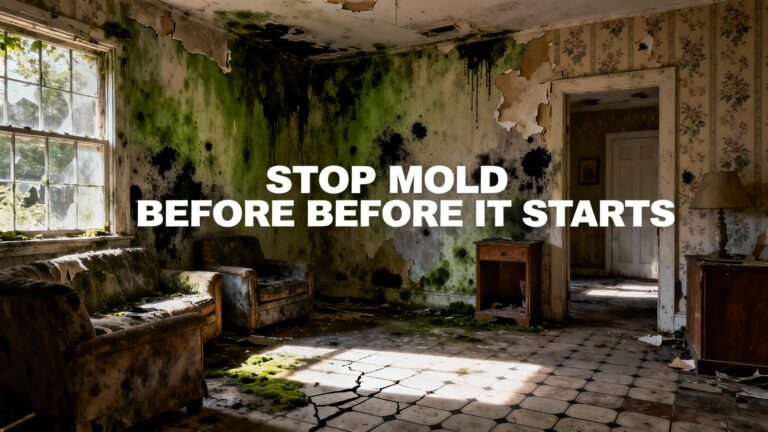
There’s something about walking into your vacation home after months away and being greeted by that unmistakable musty smell. You know the one. That damp, earthy scent that immediately tells you mold has been throwing its own party while you’ve been gone. For those of us who own seasonal properties, whether it’s a cozy cabin in the mountains or a breezy beach house, keeping mold at bay can feel like a never-ending battle. The truth is, these properties are particularly vulnerable because they sit empty for extended periods, creating the perfect environment for mold to flourish. But don’t worry. With a few smart strategies, you can prevent mold in seasonal properties and protect both your investment and your family’s health.
Understanding Why Seasonal Homes Are Mold Magnets
Let’s be real for a second. Mold doesn’t need much to thrive. It just needs moisture, warmth, and organic material to feed on. And guess what? Your seasonal property has all three in abundance. When a home sits vacant, there’s no one around to notice a small leak, run the air conditioning, or simply open a window. The air becomes stagnant, humidity builds up, and before you know it, mold spores have found their happy place behind your walls, under carpets, or in those forgotten corners of the basement.
The thing about seasonal properties is that they’re often located in areas prone to moisture. Beach houses deal with salt air and humidity. Mountain cabins face snow melt and temperature fluctuations. Even desert retreats aren’t immune, especially if there’s any plumbing or roof issues. The key is recognizing that your property needs care even when you’re not there.
Control Indoor Humidity Like Your Property Depends On It
Honestly, humidity control is your first line of defense. Mold absolutely loves moisture levels above 60 percent, so keeping humidity in check is crucial. Install a quality dehumidifier in your seasonal home and, if possible, get one with a built-in hygrometer and automatic settings. Brands like Frigidaire and hOmeLabs offer models that can drain continuously into a sink or floor drain, which is perfect for properties you’re not visiting regularly.
Smart Humidity Solutions That Actually Work
You might be thinking, “But I’m not there to empty a dehumidifier bucket.” That’s where technology becomes your best friend. Here are some practical options:
- Set up dehumidifiers with continuous drainage systems that empty directly into utility sinks or floor drains
- Install smart humidity monitors that send alerts to your phone when levels climb too high
- Consider a whole-house dehumidification system if your budget allows, especially for larger properties
- Use moisture-absorbing products like DampRid in closets, bathrooms, and other enclosed spaces
The investment in these tools pays for itself when you consider the alternative: costly mold remediation that can easily run into thousands of dollars, not to mention the health risks.
Ventilation Is Not Just About Fresh Air
Here’s something people often overlook. Even in an empty house, air needs to move. Stagnant air is like a written invitation for mold to set up camp. If you can’t be there to open windows regularly, you need to create air circulation through other means.
Leaving bathroom exhaust fans running on timers can work wonders. You can also install trickle vents in windows that allow small amounts of air exchange without compromising security. Some folks swear by whole-house fans or simply running their HVAC system periodically, even when the house is vacant. Yes, it increases your utility bills slightly, but it’s far cheaper than dealing with a mold infestation.
Strategic Airflow Tips for Empty Homes
Think about airflow patterns throughout your property. Closets, basements, and attics are particularly vulnerable because they naturally have less air movement. Keep closet doors slightly ajar. Use battery-operated or plug-in fans in problem areas. If your property has central air, set the fan to run continuously or at intervals, even if you’re not heating or cooling the space.
Fix Water Issues Before They Become Mold Issues
You know what’s frustrating? Coming back to your seasonal home and discovering that a tiny leak has created a massive problem. Water intrusion is the number one cause of mold growth, period. Before you close up your property for the season, do a thorough inspection. Check the roof for missing shingles or damaged flashing. Examine windows and doors for gaps in caulking. Look under sinks and around toilets for any signs of moisture.
Consider installing water sensors in high-risk areas like the basement, near the water heater, under sinks, and around washing machines. These little devices are inexpensive but can alert you to problems before they spiral out of control. Companies like Govee and YoLink make affordable water leak detectors that connect to your smartphone.
Winterization and Seasonal Maintenance Matter
If your property sits empty during winter, proper winterization is essential for preventing mold in seasonal properties. Drain pipes, blow out sprinkler systems, and clean gutters thoroughly. Clogged gutters lead to water overflow that can seep into walls and foundations. Also, keep your property heated to at least 50-55 degrees Fahrenheit during winter months. This prevents pipes from freezing and helps control humidity levels.
Regular Check-Ins Make All the Difference
There’s really no substitute for regular visits or having someone you trust check on your property. Even if you can’t make it yourself, hiring a local property manager or asking a reliable neighbor to stop by monthly can save you from disasters. They can check for leaks, run water through drains to keep traps filled, adjust thermostats, and generally ensure everything looks okay.
During these visits, pay special attention to common mold hotspots: bathrooms, kitchens, basements, crawl spaces, and around windows. Look for visible signs like discoloration, water stains, or that telltale musty smell. Catching mold early makes remediation so much simpler and less expensive.
Create a Seasonal Property Checklist
Having a systematic approach helps ensure nothing gets overlooked:
- Inspect all plumbing fixtures and connections for leaks or moisture
- Check humidity levels and ensure dehumidifiers are functioning properly
- Run all faucets and flush toilets to keep traps filled
- Examine windows, doors, and the roof for any signs of water intrusion
- Clean refrigerator drip pans and air conditioning drain lines
- Look for any signs of condensation on windows or walls
- Verify that ventilation systems are working correctly
Your Seasonal Home Deserves Year-Round Protection
At the end of the day, protecting your seasonal property from mold isn’t about one big fix. It’s about creating multiple layers of defense that work together. Control humidity, ensure proper ventilation, address water issues promptly, and maintain regular oversight. These strategies might seem like extra work, but they’re infinitely easier than dealing with a full-blown mold problem.
Remember, mold remediation isn’t just expensive. It’s disruptive, potentially hazardous to health, and can significantly impact your property’s value. By taking these preventive steps, you’re protecting your investment and ensuring that your seasonal retreat remains a place of relaxation and joy rather than stress and costly repairs. Your future self will thank you when you walk through that door to find fresh, clean air instead of that dreaded musty smell. Taking action now to prevent mold in seasonal properties means more peace of mind and more time enjoying the getaway you worked so hard to create.
If you found these tips helpful, feel free to share this article with your friends and followers who also own seasonal properties. Together, we can keep our vacation homes healthy and mold-free.


