
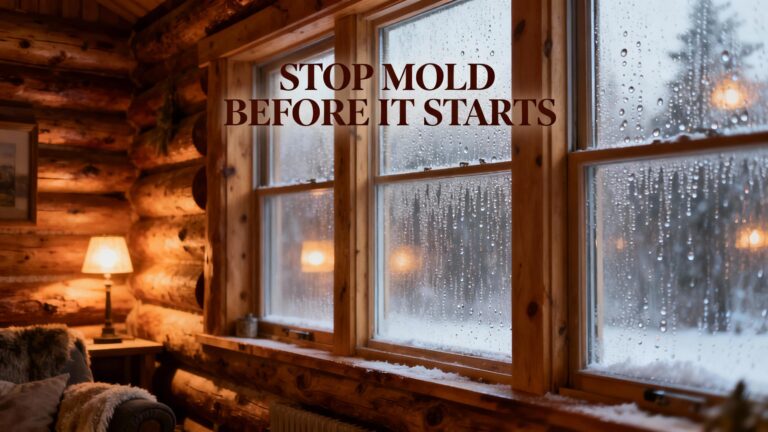
Living in a cabin up in the Yukon can feel like you’ve finally found your escape from the chaos, right? But there’s one uninvited guest that can show up faster than you’d expect: mold. The combination of cold temperatures outside and heated interiors creates the perfect breeding ground for those pesky spores. Whether you’re using your cabin as a cozy weekend retreat or a full-time home, understanding how to prevent mold in Yukon cabins is essential for keeping your space healthy and comfortable. The good news? It doesn’t have to be complicated or time-consuming. With a few smart strategies, you can keep mold at bay without adding another exhausting chore to your already busy life.
Understanding Why Mold Loves Yukon Cabins
Before we jump into the solutions, let’s talk about why mold seems to have such an affinity for northern cabins. The Yukon climate is unique, characterized by harsh winters and significant temperature fluctuations. When you heat your cabin during those frigid months, warm air meets cold surfaces like windows and walls, creating condensation. That moisture? It’s basically an open invitation for mold spores to settle in and make themselves at home.
Add to this the fact that many cabins aren’t used year-round, and you’ve got stagnant air, minimal ventilation, and often some water intrusion from snow melt or ice dams. Honestly, mold doesn’t need much to thrive. Just a bit of moisture, some organic material like wood or drywall, and temperatures above freezing. Your cabin checks all those boxes, which is why being proactive matters so much.
Keep Air Moving Throughout Your Space
You know what’s fascinating? Mold absolutely hates fresh, circulating air. One of the simplest yet most effective ways to prevent mold growth is maintaining good airflow throughout your cabin. This doesn’t mean you need to blast the heater constantly or install some complicated ventilation system.
Simple Ventilation Strategies
Start by opening windows whenever weather permits, even just for 10-15 minutes. Yes, even in winter. That brief exchange of air can make a massive difference in reducing indoor humidity levels. If opening windows feels counterproductive during heating season, consider these alternatives:
- Run exhaust fans in bathrooms and kitchens regularly, especially after showers or cooking
- Use ceiling fans to keep air circulating, even at low speeds
- Crack a window slightly on opposite ends of the cabin to create cross-ventilation
- Leave interior doors open when you’re away to prevent air stagnation in closed-off rooms
Think of your cabin like it needs to breathe. Stagnant air is like holding your breath, while good circulation is like taking deep, refreshing breaths. The difference in air quality and moisture levels will surprise you.
Master Your Indoor Humidity Levels
Humidity control is probably the single most important factor in mold prevention. Ideally, you want to keep indoor humidity between 30-50 percent. Above 60 percent, and you’re rolling out the welcome mat for mold colonies.
Practical Humidity Management
Invest in a simple hygrometer. You can pick one up for under twenty dollars at most hardware stores, and it’ll tell you exactly what’s happening with your indoor moisture levels. Once you know your baseline, you can take action. A dehumidifier works wonders, especially in basements or during humid summer months. For winter, the challenge is often maintaining enough humidity for comfort without crossing into mold-friendly territory.
Here’s something many cabin owners don’t realize: everyday activities contribute significantly to indoor moisture. Cooking, showering, even just breathing releases water vapor into the air. During extended stays, that moisture accumulates quickly in a small space.
Quick Fixes for Excess Moisture
- Always use lids when cooking to trap steam
- Hang wet clothes outside or in a well-ventilated area, never draped over furniture
- Wipe down windows and surfaces where condensation forms
- Store firewood outside until you’re ready to use it
Inspect and Address Water Issues Promptly
Water intrusion is mold’s best friend. Even a small leak can create significant problems if left unattended. The tricky part about cabins, especially in remote areas, is that minor issues can go unnoticed for weeks or months if you’re not there regularly.
Make it a habit to inspect your cabin thoroughly during each visit. Check around windows, examine the roof for signs of ice damming, and look under sinks for any plumbing leaks. Pay special attention to areas where different materials meet, like where the chimney connects to the roof or where additions were built onto the original structure.
If you discover any water damage, address it immediately. Don’t wait until your next visit or tell yourself you’ll handle it later. Water doesn’t wait, and neither does mold. Dry out affected areas within 24-48 hours if possible. Use fans, dehumidifiers, or even towels and sunshine to eliminate moisture quickly.
Choose the Right Materials and Treatments
Prevention starts with smart choices about what you bring into your cabin. Some materials naturally resist mold better than others. If you’re furnishing or renovating, consider mold-resistant drywall, which contains fiberglass instead of paper facing. It costs slightly more but provides valuable protection.
For existing surfaces, mold-inhibiting paints and primers offer an extra layer of defense. These products contain antimicrobial ingredients that discourage mold growth. They’re particularly useful in bathrooms, kitchens, and other moisture-prone areas.
Natural Mold Prevention Options
If you prefer natural solutions, several options work remarkably well. Tea tree oil, grapefruit seed extract, and white vinegar all have antifungal properties. Mix a teaspoon of tea tree oil with a cup of water in a spray bottle, and use it to treat areas prone to moisture. The smell dissipates quickly, and it leaves behind protection that lasts.
Maintain Consistent Temperature Control
Temperature fluctuations create condensation, and condensation leads to mold. If you’re away from your cabin for extended periods, resist the temptation to turn the heat completely off. Maintaining a consistent, modest temperature around 55 degrees Fahrenheit prevents extreme temperature swings and reduces condensation on cold surfaces.
This approach also protects your pipes from freezing and keeps wood from expanding and contracting excessively, which can create gaps where moisture sneaks in. Yes, it costs a bit more in heating fuel, but it’s far cheaper than dealing with mold remediation or frozen pipes.
During warmer months, the opposite problem can occur. If your cabin heats up significantly during the day and cools at night, moisture gets trapped. Using fans or opening windows during cooler evening hours helps balance things out.
Final Thoughts on Keeping Your Cabin Mold-Free
Preventing mold in Yukon cabins doesn’t require complicated systems or exhausting maintenance routines. It comes down to managing moisture, maintaining airflow, addressing problems quickly, and making smart choices about materials and temperature control. These strategies work together to create an environment where mold simply can’t establish itself.
Think of mold prevention as part of cabin life rather than an extra burden. Once you build these habits into your routine, they become second nature. Your cabin should be your sanctuary, not a source of stress or health concerns. With these straightforward approaches, you can enjoy your Yukon retreat year after year without worrying about what’s growing in the corners.
If you found these tips helpful, feel free to share this article with your friends and followers who might benefit from keeping their cabins healthy and comfortable.


