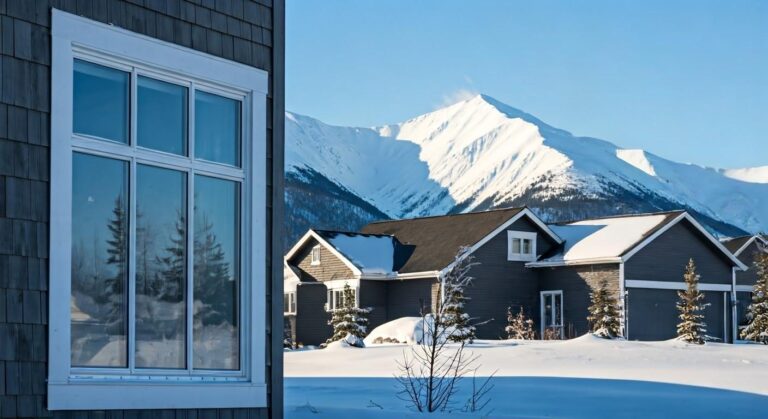
Living in Whitehorse means embracing the unique challenges of Yukon’s climate, especially when it comes to keeping your home dry and comfortable. With long, cold winters and significant temperature fluctuations, moisture problems can quickly develop if left unchecked. I’ve experienced firsthand how dampness can affect everything from air quality to structural integrity, and trust me—prevention is always easier than fixing moisture damage after it occurs. Whether you’re a long-time local or new to our beautiful northern city, these moisture-proofing techniques for Whitehorse homes will help you maintain a dry, healthy living environment year-round.
Understanding Whitehorse’s Unique Moisture Challenges
Before diving into solutions, let’s talk about why Whitehorse presents special moisture concerns. Our subarctic climate creates dramatic indoor-outdoor temperature differences, especially during winter months when temperatures can plummet below -30°C. These temperature variations, combined with modern, tightly-sealed homes, create perfect conditions for condensation and moisture accumulation. Plus, the spring thaw brings its own set of challenges with snowmelt and seasonal ground moisture.
The Cold Climate Condensation Problem
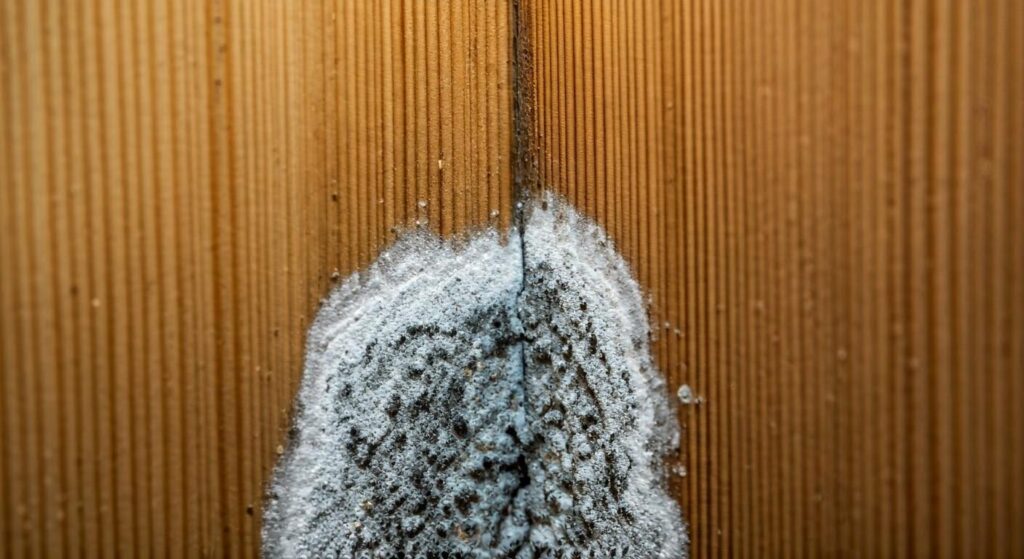
Ever notice water droplets forming on your windows during winter? That’s condensation happening when warm, humid indoor air meets cold surfaces. In Whitehorse homes, this isn’t just an annoyance—it’s a warning sign. Left unchecked, this moisture can seep into walls, window frames, and insulation, potentially leading to mold growth and structural damage. The key is managing the delicate balance between proper ventilation and heat retention.
1. Optimize Your Ventilation System
Proper air circulation is your first defense against moisture buildup in Whitehorse’s challenging climate. Many homes here already have heat recovery ventilators (HRVs) installed, but they’re only effective when properly maintained.
HRV Maintenance: Your Moisture Management Ally
If your home has an HRV system, congratulations—you’re already ahead of the game! However, these systems need regular attention to function efficiently:
For homes without an HRV, consider installing bathroom fans that vent directly outdoors (not into your attic!) and using them during and for 20-30 minutes after showering. Kitchen range hoods should also vent outside rather than recirculating air.
2. Smart Humidity Control Strategies
Maintaining optimal indoor humidity levels—between 30-50% in winter—is crucial in our northern climate. Too humid, and you risk condensation; too dry, and you’ll face other problems like static electricity and respiratory discomfort.
Monitoring and Managing Indoor Humidity
Invest in a good hygrometer (humidity meter) and place it in areas where you suspect moisture issues. If readings consistently show above 50% humidity in winter, take action:
During extremely cold periods when indoor air becomes too dry, a humidifier might be necessary—but use it judiciously and continue monitoring humidity levels.
3. Upgrade Your Insulation and Vapor Barriers
Proper insulation doesn’t just keep your home warm—it’s essential for moisture control in Whitehorse’s climate. Cold spots in your walls or ceiling can become condensation points where moisture accumulates.
Identifying and Addressing Insulation Weaknesses
Many older Whitehorse homes have inadequate insulation by today’s standards. Consider:
Pay special attention to areas where exterior walls meet ceilings, as these junctions are common culprits for ice damming and moisture problems in our northern climate.
4. Protect Your Foundation from Seasonal Moisture
Whitehorse’s dramatic freeze-thaw cycles can direct significant moisture toward your foundation during spring melt. Protecting this crucial structure helps prevent basement dampness and potential flooding.
Foundation Drainage and Grading Solutions
Take these steps to keep seasonal moisture away from your foundation:
Remember to clear snow from around your foundation before spring thaw—many Whitehorse homeowners create a 3-foot snow-free perimeter in late winter to prevent melt water from seeping into the foundation.
5. Regular Maintenance and Moisture Checks
Prevention through vigilance is your best strategy for keeping moisture problems at bay. Establish a seasonal maintenance routine specific to our northern climate.
Your Whitehorse Home Moisture Inspection Checklist
Develop a quarterly inspection habit that includes:
Don’t forget to check less obvious places like closets on exterior walls, behind furniture against outside walls, and crawl spaces—these hidden areas often reveal moisture problems first.
Living in Whitehorse means adapting to our unique northern conditions, but with these essential moisture-proofing techniques for Whitehorse homes, you can enjoy a dry, comfortable living space year-round. The investment in prevention now saves significant repair costs later, not to mention protecting your family’s health from mold and mildew concerns. By understanding the specific challenges our climate presents and implementing these targeted solutions, you’ll have peace of mind knowing your home is well-protected against moisture damage, regardless of what our Yukon weather brings.