
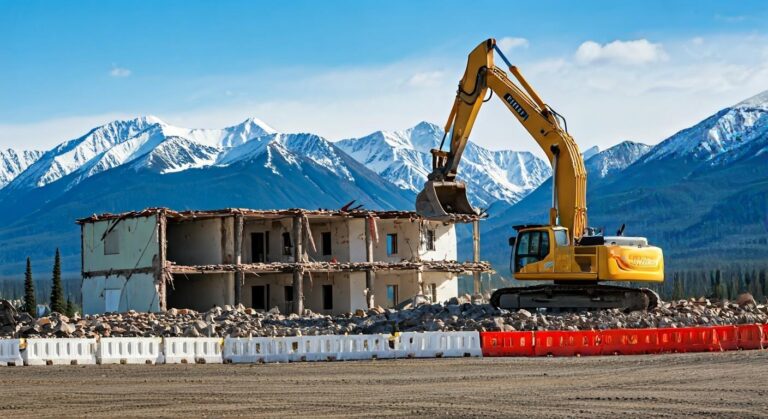
When it comes to urban development in Whitehorse, sometimes making way for the new means saying goodbye to the old. Building demolition is a complex process that requires careful planning and execution to ensure the safety of workers, the public, and surrounding structures. Whether you’re a property owner considering demolition or simply interested in understanding how these projects unfold safely in our northern city, knowing the essential steps involved can provide valuable insight. Safe building demolition in Whitehorse isn’t just about knocking things down—it’s a methodical process guided by strict regulations and best practices designed to protect our community.
Understanding the Demolition Process in Whitehorse’s Unique Environment
The demolition landscape in Whitehorse presents unique challenges. Our extreme northern climate, with its frigid winters and permafrost considerations, adds layers of complexity to any demolition project. Before a single brick is removed, companies must navigate a comprehensive planning phase that accounts for these regional factors.
Local regulations are particularly stringent about environmental protection, given our proximity to the Yukon River and the delicate northern ecosystem. Companies must also consider the historic significance of many buildings in our community, as Whitehorse proudly preserves its gold rush heritage and First Nations history.
The Preliminary Assessment: More Than Just Paperwork
The first crucial step toward a safe demolition involves thorough site and building assessment. This isn’t just checking boxes on a form—it’s about understanding what you’re dealing with before the heavy machinery arrives.
This assessment phase typically involves multiple professionals, including structural engineers, environmental consultants, and sometimes historical preservation experts if the building has cultural significance. Getting this step right sets the foundation for everything that follows.
Securing Necessary Permits and Approvals
Wading through paperwork might seem tedious, but the permitting process serves as a critical safety checkpoint. In Whitehorse, demolition permits aren’t just bureaucratic hoops—they ensure your project complies with local building codes and safety standards.
The City of Whitehorse typically requires several documents before issuing demolition permits, including detailed plans, environmental assessments, and confirmation that utilities have been properly disconnected. Depending on the building’s location and historical status, you might also need approvals from heritage committees or environmental boards.
Remember that permit requirements can change, so always check with the city’s Building Safety department for the most current information. Most demolition companies in Whitehorse will handle this paperwork as part of their services, but as the property owner, you should still understand what’s involved.
Hazardous Materials Management: A Non-Negotiable Step
Many buildings in Whitehorse, especially those constructed before the 1990s, contain materials we now recognize as hazardous. Properly identifying and removing these substances isn’t just about compliance—it’s about protecting people and our environment.
Asbestos removal requires specialized contractors certified in handling this dangerous material. The same goes for lead paint, mercury switches, and other toxic substances. These materials require specific disposal methods and can’t simply go to the regular landfill.
The Yukon’s cold climate actually complicates this process, as some removal techniques work less effectively in extreme temperatures. Experienced demolition companies plan around these challenges, sometimes scheduling hazardous material removal during milder seasons when possible.
Creating a Comprehensive Safety Plan
Once permits are secured and hazardous materials addressed, developing a detailed safety plan becomes the focus. This plan should cover every aspect of the demolition, from worker safety protocols to public protection measures.
The safety plan typically includes:
In Whitehorse’s residential neighborhoods, extra attention goes toward minimizing disruption to daily life. This might mean limiting work hours, installing additional dust barriers, or planning truck routes that avoid school zones during peak times.
The Execution Phase: Controlled Deconstruction
With all preparation complete, the actual demolition can begin. Despite what action movies might suggest, professional demolition is rarely about dramatic explosions. Instead, it’s usually a methodical process that proceeds in careful stages.
Most residential and small commercial demolitions in Whitehorse use mechanical methods with excavators and other heavy equipment. Larger structures might require specialized techniques, but the goal remains the same: controlled deconstruction that minimizes risk and maximizes material recovery.
Throughout this phase, constant monitoring ensures the work proceeds according to plan. This includes regular structural assessments, air quality testing, and equipment inspections. Flexibility is essential, as unexpected issues can arise even with thorough planning.
Proper Waste Management and Site Restoration
The final step in the demolition process focuses on responsible cleanup and site preparation for whatever comes next. This phase is particularly important in Whitehorse, where our commitment to environmental stewardship guides waste management practices.
Many materials from demolitions can be recycled or repurposed, reducing the strain on our landfills. Concrete can become aggregate for new construction, metals can be recycled, and some wood might be salvageable for other projects. Local demolition companies increasingly emphasize this aspect of their services, sorting materials on-site before transportation.
Once debris is removed, final site grading and soil testing may be necessary, especially if the property will be redeveloped. This ensures that no contamination remains and that the land is stable for future use.
The demolition process isn’t complete until all equipment is removed, temporary utilities are disconnected, and the site is secured. Only then can you consider the project successfully concluded, with safe building demolition in Whitehorse achieved through careful adherence to these five key steps.
Demolition projects in our northern city require special care and expertise to navigate our unique environmental conditions and regulatory landscape. Whether you’re planning a project or simply curious about the process, understanding these steps helps appreciate the complexity behind what might seem like simple destruction. When done correctly, demolition becomes not an end, but a beginning—creating space for new structures that will continue to shape Whitehorse’s evolving skyline while honoring our commitment to safety and environmental responsibility.


