
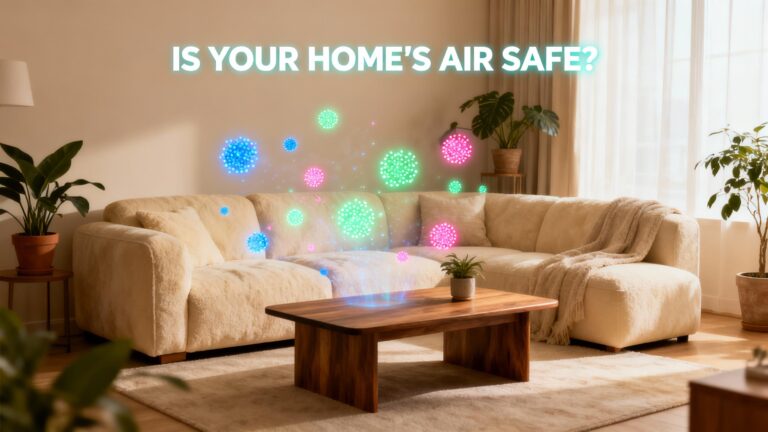
When you think about your home in Whitehorse, what comes to mind? Maybe it’s the cozy warmth during those long, frigid winters, the comfort of gathering around the fireplace, or simply the sense of safety that four walls provide. But here’s something that might surprise you: the air inside your home could be more polluted than the air outside. Yes, even in a place as pristine as Whitehorse, where nature surrounds us in all its rugged beauty. Indoor air testing in Whitehorse isn’t just some technical procedure reserved for offices or industrial buildings. It’s becoming essential for homeowners who want to protect their families from invisible threats lurking in the very air they breathe. And honestly, when you’re spending most of your time indoors, especially during those endless winter months, shouldn’t you know what you’re actually breathing?
The Hidden Dangers Lurking in Your Living Room
You know what’s interesting? Most of us worry about traffic fumes or industrial pollution, but we rarely stop to consider what’s floating around inside our homes. Indoor air can contain a cocktail of pollutants: volatile organic compounds from cleaning products, radon gas seeping up from the ground, mold spores thriving in damp corners, and even carbon monoxide from heating systems. In Whitehorse, where homes are sealed tight against the cold, these contaminants don’t have anywhere to go. They just accumulate, day after day, creating an environment that can trigger everything from headaches and fatigue to serious respiratory issues.
The thing is, you can’t see these pollutants. They don’t announce themselves with bright warning signs. Your home might look spotless, smell fresh, and feel perfectly comfortable, yet still harbor air quality problems that affect your health. That’s where professional air testing comes in. It’s like getting a health checkup for your house, revealing what your eyes can’t detect.
Why Whitehorse Homes Face Unique Air Quality Challenges
Living in the Yukon isn’t like living anywhere else. The climate here demands specific building practices and lifestyle adjustments that can inadvertently create air quality issues. Let’s be real: when it’s minus thirty outside, nobody’s throwing open the windows for fresh air. Our homes become these tightly sealed environments, which is great for keeping heating costs down but terrible for air circulation.
The Sealed Home Syndrome
Modern energy-efficient homes are built to retain heat, which means they also retain everything else. Without proper ventilation, moisture from cooking, showering, and even breathing gets trapped inside. This creates the perfect breeding ground for mold and mildew. And if you’ve got older carpets, furniture that’s off-gassing chemicals, or use conventional cleaning products, those compounds just keep circulating through your living space.
Then there’s radon, a naturally occurring radioactive gas that can seep into homes through cracks in foundations. It’s colorless, odorless, and completely undetectable without proper testing. Health Canada identifies radon as the second leading cause of lung cancer after smoking. In Whitehorse, where permafrost and unique geological conditions exist, radon levels can vary significantly from one home to another.
What Actually Happens During Indoor Air Testing
If you’ve never had your indoor air tested, you might be wondering what the process involves. It’s actually pretty straightforward, and far less invasive than you might imagine. Professional air quality specialists use various methods depending on what they’re testing for:
- Air sampling devices that collect particles and measure pollutant concentrations
- Radon detectors placed in your home for several days to get accurate readings
- Moisture meters to identify areas prone to mold growth
- Carbon monoxide detectors to check for combustion problems
- VOC monitors that measure chemical compounds in the air
The testing typically takes anywhere from a few hours to several days, depending on what’s being measured. Radon testing, for example, requires at least 48 hours to get reliable results. The beauty of it is that you can go about your daily life while the testing happens. No need to vacate your home or dramatically alter your routine.
The Health Connection You Can’t Ignore
Here’s where things get personal. Poor indoor air quality doesn’t just make you feel a bit under the weather. It can have serious, long-term health implications, especially for children, elderly family members, and anyone with existing respiratory conditions or allergies. Think about those mysterious symptoms that seem to get better when you leave the house but return when you’re home. Persistent headaches, irritated eyes, difficulty concentrating, unexplained fatigue, or that nagging cough that won’t go away.
These aren’t just minor annoyances. They’re your body’s way of telling you something isn’t right. For women especially, who often spend more time managing household tasks and caring for family members at home, exposure to poor air quality can compound. And if you’re pregnant or nursing, protecting your indoor environment becomes even more critical since developing babies are particularly vulnerable to environmental toxins.
The Children and Pet Factor
If you’ve got kids running around or furry friends sharing your space, the stakes are even higher. Children breathe faster than adults and are closer to the ground where heavier pollutants settle. Their developing bodies are more susceptible to the effects of poor air quality. Same goes for pets, who can develop respiratory issues and allergies from the same contaminants that affect humans.
Taking Action After Testing
So you’ve had your air tested and received the results. What now? The good news is that most indoor air quality problems can be addressed once you know what you’re dealing with. Solutions might include:
- Installing or upgrading ventilation systems to improve air circulation
- Using HEPA air purifiers to remove particles and allergens
- Addressing moisture issues and remediating any mold growth
- Sealing radon entry points or installing a radon mitigation system
- Switching to low-VOC or natural cleaning products and materials
- Maintaining heating systems and ensuring proper combustion ventilation
The investment in indoor air testing pays dividends in peace of mind and better health. It’s one of those things that seems optional until you realize how much time you actually spend inside your home. And in Whitehorse, where winter stretches on and outdoor activities become limited, that indoor time adds up quickly.
Making It a Priority for Your Family
Look, nobody wants to add another item to their already overwhelming to-do list. But when it comes to your health and your family’s wellbeing, some things deserve priority status. Testing your indoor air isn’t about being paranoid or overly cautious. It’s about being informed and taking reasonable steps to create a healthier living environment.
Think of it this way: you wouldn’t skip regular health checkups for yourself or your kids. You change your car’s oil, test your smoke detectors, and probably get your furnace serviced before winter hits. Your indoor air quality deserves the same attention. After all, you’re breathing it every single day, with every single breath.
Finding the Right Testing Service
When you’re ready to have your indoor air tested, choosing a qualified professional matters. Look for certified indoor air quality specialists or environmental consultants who have experience with Whitehorse’s unique conditions. They should be able to explain what they’re testing for, why it matters, and what the results mean in practical terms. Don’t hesitate to ask questions about their methods, equipment, and credentials.
A good specialist will also provide clear recommendations based on your specific situation rather than pushing unnecessary services or products. They understand that every home is different and that solutions need to be tailored to your circumstances and budget.
The Bottom Line on Breathing Easy
At the end of the day, wait, scratch that. The truth is, indoor air testing in Whitehorse represents a simple yet powerful way to take control of your home environment and protect what matters most. It’s not about living in fear or becoming obsessed with every potential hazard. It’s about making informed decisions based on actual data rather than guesses or assumptions.
Your home should be your sanctuary, a place where you feel safe, comfortable, and healthy. When the air inside meets those standards, everything else falls into place. You sleep better, think clearer, and simply feel better. And in a climate as demanding as Whitehorse’s, where we depend so heavily on our indoor spaces for comfort and refuge, ensuring that the air we breathe is clean and safe isn’t just essential. It’s fundamental.
If you found these insights helpful and think other Whitehorse families could benefit from this information, feel free to share this article with your friends and followers on social media. Sometimes the most important health decisions start with simply knowing what questions to ask and understanding why they matter.


