
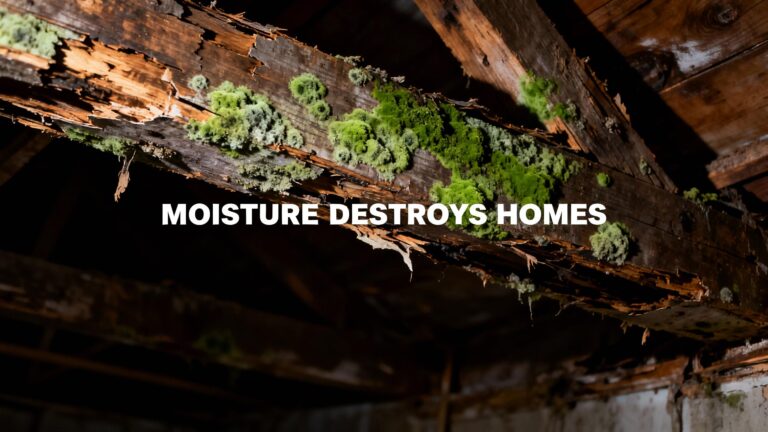
You know that musty smell that hits you when you open the basement door? Or that soft, spongy feeling when you step on what should be a solid floorboard? These aren’t just minor annoyances to brush off. They’re warning signs that something more serious might be happening in your home. Here’s the thing most people don’t realize: mold and wood rot aren’t just neighbors in the world of home damage. They’re actually partners in crime, working together to compromise the structural integrity of your house. Understanding this connection isn’t just about protecting your investment. It’s about keeping your family safe and healthy in the space you call home.
Why Mold and Wood Rot Are Best Friends
Think of mold and wood rot as that duo who always shows up together at parties. Where one goes, the other follows. The reason is simple: they both crave the same conditions. Moisture is their mutual love language, and when your home provides it, they move right in and make themselves comfortable.
Wood rot happens when fungi break down the fibers in wood, causing it to decay and lose its strength. Mold, on the other hand, grows on surfaces where there’s moisture and organic material. The catch? Wood is organic material. So when conditions are right for wood rot, they’re also perfect for mold growth. It’s like offering a two-for-one special that nobody actually wants.
The temperature range matters too. Both thrive in environments between 40 and 100 degrees Fahrenheit, which basically describes most homes year-round. Add in some humidity above 20 percent, and you’ve rolled out the welcome mat for both unwanted guests.
The Sneaky Ways They Team Up Against Your Home
Here’s where things get interesting, and honestly, a bit alarming. Mold and wood rot don’t just coexist. They actually help each other flourish. Wood rot softens and breaks down wood fibers, creating more surface area and pockets where moisture can collect. This moisture retention creates an even better environment for mold to spread.
Meanwhile, mold releases moisture as part of its life cycle, which keeps the surrounding area damp. This sustained moisture allows wood rot fungi to continue their destructive work. It’s a vicious cycle that feeds on itself, getting worse over time if left unchecked.
Common Places Where They Hide Together
These troublemakers aren’t picky about location, but they do have favorite hangout spots in your home:
- Bathrooms, especially around tubs, showers, and under sinks where small leaks go unnoticed
- Basements and crawl spaces with poor ventilation and high humidity levels
- Attics with roof leaks or inadequate insulation causing condensation
- Window sills and frames where condensation regularly forms
- Kitchen areas under the sink, around dishwashers, and behind refrigerators
- Exterior wood siding, particularly on north-facing walls that don’t get much sun
- Decks and porches where wood contacts soil or standing water accumulates
Spotting the Warning Signs Before It’s Too Late
Early detection is everything when dealing with these issues. The longer they go unnoticed, the more expensive and extensive the repairs become. But how do you spot problems before they spiral out of control?
Visual cues are your first line of defense. Discoloration on wood surfaces, whether it’s darkening, black spots, or white patches, signals trouble. Paint that’s bubbling, peeling, or cracking often indicates moisture problems underneath. Look for warped or sagging wood, especially in floors and ceiling joists.
Touch can tell you a lot too. Press gently on suspected areas. Does the wood feel soft or spongy? Does it crumble or flake when you touch it? These are red flags waving frantically for your attention.
The Smell Test Never Lies
Trust your nose. That earthy, musty odor isn’t just unpleasant. It’s your home telling you something’s wrong. Mold has a distinctive smell that’s hard to miss once you know what you’re sniffing for. Wood rot sometimes produces a fungal smell too, though it can be more subtle.
Don’t ignore these sensory warnings. Our bodies are pretty good at detecting when something’s off, even if we can’t see the problem yet.
What Causes This Dynamic Duo to Move In
Understanding the root causes helps you prevent problems before they start. Water intrusion is the biggest culprit. This could be from obvious sources like leaking pipes, roof damage, or flooding. But sometimes the sources are sneakier: condensation from poor ventilation, humid climates without proper dehumidification, or even everyday activities like cooking and showering without adequate airflow.
Poor home maintenance plays a huge role too. Clogged gutters direct water toward your foundation instead of away from it. Damaged weatherstripping around windows and doors lets moisture seep in. Missing or damaged caulking creates entry points for water. These small oversights add up to big problems over time.
Construction issues can set the stage as well. Inadequate vapor barriers, improper grading around the foundation, or wood installed too close to soil all create conditions where moisture problems become inevitable.
The Real Dangers Beyond Aesthetics
Let’s be real for a moment. This isn’t just about having an ugly spot on your wall or a squeaky floorboard. The health implications of mold exposure are serious, especially for children, elderly family members, and anyone with respiratory conditions or weakened immune systems.
Mold exposure can trigger allergic reactions, asthma attacks, respiratory infections, and chronic sinus issues. Some molds produce mycotoxins that can cause more severe health problems with prolonged exposure. Headaches, fatigue, and difficulty concentrating are common complaints in homes with hidden mold problems.
Wood rot threatens your home’s structural integrity. Load-bearing beams that have rotted can lead to sagging floors, ceiling collapse, or even catastrophic structural failure in extreme cases. Door frames and window frames lose their ability to support properly, affecting security and energy efficiency.
Taking Action: Prevention and Remediation
Prevention is always easier and cheaper than repair. Control moisture in your home by using exhaust fans in bathrooms and kitchens, running dehumidifiers in damp areas, and ensuring proper ventilation throughout your living spaces.
Regular inspections catch problems early. Walk through your home seasonally, checking those vulnerable areas we mentioned earlier. Fix leaks immediately, no matter how small they seem. That drip under the sink might seem minor, but it’s creating the perfect environment for our destructive duo.
When to Call in the Professionals
Sometimes DIY just doesn’t cut it. If you’ve discovered extensive mold growth covering more than 10 square feet, it’s time to call a professional remediation company. They have the equipment, expertise, and safety protocols to handle large infestations properly.
Structural wood rot always warrants professional assessment. A qualified contractor or structural engineer can determine the extent of damage and recommend appropriate repairs. Don’t guess about structural issues. The stakes are too high.
If family members are experiencing unexplained health symptoms that improve when they leave the house, professional mold testing and remediation might be necessary. Your family’s health isn’t something to gamble with.
Moving Forward with Confidence
Understanding mold and wood rot connection empowers you to protect your home and family. These aren’t mysterious forces beyond your control. They’re predictable problems with known solutions, as long as you stay vigilant and act quickly when issues arise.
Create a seasonal inspection routine. Spring and fall are perfect times to check your home’s vulnerable spots. Keep gutters clean, maintain proper grading around your foundation, and address minor repairs before they become major headaches.
Remember that moisture control is your best defense against both enemies. Keep indoor humidity between 30 and 50 percent. Ensure proper ventilation in all areas of your home. Fix leaks within 24 to 48 hours to prevent mold growth from taking hold.
Your home is more than just a structure. It’s where your family creates memories, finds comfort, and builds their lives. Taking these preventive steps and addressing problems early protects that investment and keeps everyone healthy and safe.
If you found these tips helpful, feel free to share this article with your friends and followers. Someone you know might be dealing with these issues right now without realizing the connection between what they’re seeing and the larger problem lurking beneath the surface.


