
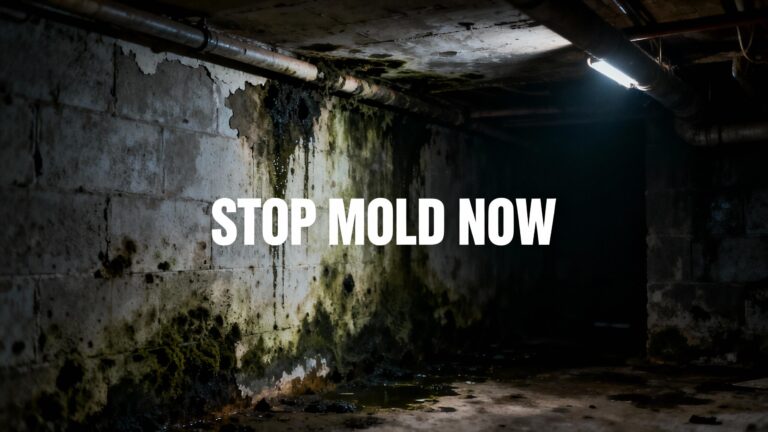
You know that smell, right? That musty, earthy odor that hits you when you walk into your basement, open a closet you haven’t used in months, or even just step into your bathroom after a long day. It’s unsettling because somewhere deep down, you suspect what it might be. Mold doesn’t just smell bad; it’s a warning sign your home is trying to send you. And honestly, ignoring it is like ignoring your check engine light—it might seem fine now, but you’re risking bigger problems down the road. The good news? Learning how to diagnose mold smell doesn’t require a degree in environmental science or fancy equipment. With a bit of detective work and some practical know-how, you can identify the source, understand the risks, and take action before things get worse.
Why That Funky Smell Matters More Than You Think
Let’s get real for a second. Mold isn’t just an aesthetic issue or something that makes your linen closet smell like a damp cave. It’s a health concern, especially if you’ve got kids, elderly family members, or anyone with respiratory issues living under your roof. Mold releases spores into the air, and breathing those in can trigger allergies, asthma attacks, headaches, and even more serious respiratory problems over time.
But here’s the thing: mold loves to hide. It thrives in dark, damp places where you’re not likely to look until the problem becomes obvious. By the time you see visible growth, the issue has often been brewing for weeks or even months. That’s why your nose is actually one of your best tools. The smell usually shows up before the visible signs do, giving you a head start on fixing the problem.
Step One: Follow Your Nose Like a Bloodhound
First things first—you need to locate where that smell is coming from. This might sound simple, but mold odors can be tricky. Sometimes the smell seems to permeate an entire room, making it hard to pinpoint the exact source.
Start by doing a methodical walkthrough of your space. Get close to walls, floors, and furniture. Open cabinets and check under sinks. Don’t forget those places you rarely visit, like the back of your closet or that corner behind the washing machine.
Common Hiding Spots to Check
- Bathrooms, especially around tubs, showers, and toilets
- Basements and crawl spaces where moisture accumulates
- Kitchen areas under sinks and around dishwashers
- Window sills and frames where condensation collects
- Air conditioning units and ductwork
- Laundry rooms near washing machines
- Attics with poor ventilation or roof leaks
Trust me, I’ve found mold in the weirdest places—behind a bedroom dresser that sat against an exterior wall, inside an old suitcase stored in a damp garage, even behind wallpaper that looked perfectly fine from the outside.
Step Two: Look for the Visual Clues
Once you’ve narrowed down the general area, it’s time to get visual. Mold doesn’t always appear as the dramatic black patches you see in horror stories online. Sometimes it’s subtle—a slight discoloration, a fuzzy texture, or even just a stain that looks vaguely suspicious.
Grab a flashlight because mold loves darkness. Check behind furniture, inside cabinets, and along baseboards. Look for water stains on ceilings and walls; where there’s water damage, mold often follows.
You might spot greenish, black, white, or even orange growth. The color varies depending on the type of mold and what it’s feeding on. And yeah, it can look pretty gross, but don’t panic. Finding it is actually the first step toward solving the problem.
Step Three: Investigate the Moisture Source
Here’s something crucial: mold doesn’t just appear out of thin air. It needs moisture to grow and survive. So if you’ve found mold or a persistent musty smell, there’s a moisture problem somewhere nearby.
Ask yourself these questions: Has there been a leak recently? Do you notice condensation on windows? Is the room poorly ventilated? Does water pool anywhere after you shower or do laundry?
Detective Work on Dampness
Sometimes the moisture source is obvious—a dripping pipe, a leaky roof, or flooding from last month’s storm. Other times, it’s sneakier. High humidity levels, poor ventilation, or even something as simple as drying clothes indoors can create the perfect environment for mold.
Consider investing in a simple humidity meter (you can grab one for under twenty bucks at most hardware stores). Indoor humidity should ideally stay between 30 and 50 percent. Anything higher, and you’re basically rolling out the welcome mat for mold.
Step Four: Do the Sniff Test in Different Conditions
This might sound a bit odd, but the intensity of mold smell can change depending on environmental conditions. Ever notice how that musty odor gets stronger on humid days or after running the air conditioner?
Try checking the smell at different times—morning versus evening, on rainy days versus dry ones, with windows open versus closed. This can give you clues about whether the problem is related to humidity, ventilation, or a specific appliance like your HVAC system.
Also, if the smell disappears when you increase ventilation (like opening windows or running fans), that’s a strong indicator that moisture and poor air circulation are contributing factors.
Step Five: Know When to Call in the Professionals
Look, I’m all about DIY solutions and handling things yourself when possible. But sometimes you need backup, and there’s no shame in that. If you’ve done your detective work and still can’t locate the source, or if you suspect mold might be growing inside your walls or HVAC system, it’s time to bring in a professional mold inspector.
These folks have specialized equipment—moisture meters, thermal imaging cameras, air quality tests—that can detect problems you simply can’t see or smell. Plus, if you’re dealing with a large area of mold (anything bigger than about 10 square feet), the EPA recommends professional remediation.
Your health is worth more than the cost of an inspection. And if you’re pregnant, have young children, or anyone in your household has compromised immunity or respiratory issues, don’t take chances.
What to Expect from a Professional Inspection
A certified mold inspector will do a thorough assessment of your home, checking moisture levels, taking air samples, and identifying the type and extent of mold growth. They’ll provide you with a detailed report and recommendations for remediation.
Just make sure you hire someone reputable. Look for certifications from organizations like the Indoor Air Quality Association or check reviews on trusted platforms. And honestly? Get multiple quotes if the problem seems extensive.
Taking Action After You’ve Diagnosed the Problem
So you’ve followed the steps, identified where that awful smell is coming from, and confirmed it’s mold. What now?
Small areas of mold on non-porous surfaces (like tile or glass) can often be cleaned with a mixture of water and detergent, or specialized mold-killing products. But remember—cleaning visible mold is only half the battle. You’ve got to fix the underlying moisture problem, or it’ll just come back like a bad penny.
This might mean repairing leaks, improving ventilation, using dehumidifiers, or even making structural changes to prevent water intrusion. Yeah, it can feel overwhelming, but taking it step by step makes it manageable.
Prevention: Your Best Defense Against Future Funk
Once you’ve tackled the immediate problem, let’s talk about keeping mold from making a comeback. Regular maintenance is key. Check for leaks periodically, clean gutters, ensure proper ventilation in bathrooms and kitchens, and keep humidity levels in check.
Run exhaust fans while cooking or showering. Don’t let wet towels or clothes sit around. And if you live in a particularly humid climate, a good dehumidifier might just become your new best friend.
Little habits make a big difference. Honestly, spending fifteen minutes a week on prevention beats dealing with a full-blown mold situation any day.
Wrapping It All Up
Diagnosing mold smell doesn’t have to be intimidating. By following your nose, checking common problem areas, investigating moisture sources, testing under different conditions, and knowing when to call professionals, you’re taking control of your home’s health and your family’s wellbeing. Remember, that musty odor is your home’s way of telling you something needs attention. Listen to it, take action, and you’ll breathe easier—literally.
If you found these tips helpful, feel free to share this article with your friends and followers. Sometimes the best way to help someone is by passing along practical information that makes their life a little easier and their home a little safer.


