
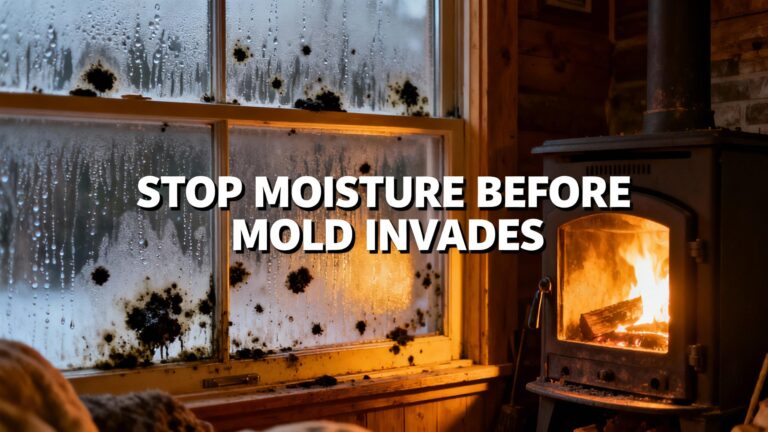
There’s something almost magical about a crackling wood stove on a cold evening, isn’t there? The warmth, the ambiance, that cozy feeling that makes you want to curl up with a good book and forget the world outside. But here’s the thing nobody tells you when you’re dreaming about that perfect rustic lifestyle: wood stoves can turn your home into a moisture factory. And where there’s excess moisture, mold isn’t far behind. If you’ve noticed that musty smell or spotted dark patches creeping along your walls, you’re not alone. The good news is that preventing mold from wood stove humidity doesn’t require a degree in environmental science or a complete home renovation. With some practical steps and a bit of vigilance, you can enjoy your wood stove’s warmth without inviting unwanted fungal guests into your space.
Why Does Your Wood Stove Create So Much Moisture Anyway?
Let’s talk about what’s actually happening in your home. When you burn wood, you’re not just creating heat. The combustion process releases water vapor into the air, sometimes a surprising amount of it. Fresh or improperly seasoned wood contains a ton of moisture, and when it burns, all that water has to go somewhere. It goes right into your living space.
Now add to that the fact that most of us keep our homes pretty sealed up during cold weather. Energy efficiency is great for your heating bill, but it also means moisture has nowhere to escape. The result? Humidity levels climb, condensation forms on cool surfaces, and mold spores that are always floating around finally find the damp conditions they need to settle down and multiply.
Understanding the Mold and Moisture Connection
Mold is honestly pretty simple in its needs. It wants moisture, some organic material to feed on, and relatively warm temperatures. Your home provides all three in abundance when humidity levels spike. Most experts recommend keeping indoor humidity between 30 and 50 percent to discourage mold growth. Once you creep above 60 percent, you’re basically rolling out the welcome mat for these unwelcome houseguests.
The tricky part with wood stoves is that they create microclimates in your home. You might have bone-dry air right near the stove while condensation drips down your windows across the room. This uneven distribution makes managing wood stove humidity particularly challenging but definitely not impossible.
Practical Steps to Keep Moisture Under Control
Season Your Wood Properly
This might sound basic, but it’s honestly the most important step. Burning properly seasoned wood dramatically reduces the amount of moisture released during combustion. Wood should be split and stored for at least six months, ideally a full year, before you burn it. The moisture content should be below 20 percent.
How do you know if your wood is ready? You can grab an inexpensive moisture meter from any hardware store. They’re simple to use and take the guesswork out of the equation. Properly seasoned wood also burns hotter and more efficiently, so you’re solving multiple problems at once.
Improve Ventilation Throughout Your Home
Even in the dead of winter, your home needs to breathe. Opening a window for just ten minutes a day can make a significant difference in overall humidity levels. I know, I know, it feels counterintuitive when you’re trying to stay warm, but think of it as an investment in your home’s health.
Consider these ventilation strategies:
- Crack a window in a room away from the stove for brief periods daily
- Run exhaust fans in bathrooms and kitchens, especially when cooking or showering
- Install trickle vents in window frames for continuous low-level air exchange
- Use a heat recovery ventilator if you’re really serious about maintaining both warmth and fresh air
Invest in a Good Dehumidifier
Sometimes you need to bring in reinforcements, and a quality dehumidifier can be your best friend during wood stove season. Place one in the room with your stove or in problem areas where you notice condensation. Modern dehumidifiers are energy-efficient and many have built-in humidistats that maintain your desired humidity level automatically.
For larger homes or particularly damp environments, you might need multiple units or a whole-house system. Yes, it’s an upfront cost, but compare that to the expense of mold remediation or health issues down the line.
Monitor Humidity Levels Like a Pro
You can’t manage what you don’t measure, right? Pick up a few hygrometers and place them in different rooms. These little devices show you the relative humidity and help you identify problem areas before mold becomes visible. You can find basic models for under twenty dollars, or spring for digital versions with data logging capabilities if you’re into that sort of thing.
Check your readings daily, especially during your first wood stove season. You’ll start to notice patterns about when humidity spikes and which areas of your home are most vulnerable.
Address Problem Areas Before They Become Disasters
Windows and Cold Surfaces
Condensation on windows is usually the first visible sign that your humidity levels are too high. If you’re seeing water droplets or ice forming on the inside of your windows, take action immediately. Insulated curtains or thermal blinds can help, as can applying window insulation film during the coldest months.
Wipe down condensation as soon as you notice it. That pooling water is a mold invitation you don’t want to send out.
Check Your Stove Installation
Sometimes the problem isn’t just about humidity management but about how your stove is installed and operated. Make sure your stove has adequate airflow and that your chimney is drawing properly. A poorly functioning stove can produce more moisture and burn less efficiently.
Have your chimney inspected and cleaned annually. Creosote buildup isn’t just a fire hazard; it can also affect how well your stove burns and how much moisture it produces.
Create Air Circulation Patterns
Stagnant air allows moisture to settle and concentrate in certain areas. Ceiling fans set to run clockwise on low speed during winter help distribute warm air and keep things moving. Even a simple oscillating fan placed strategically can help prevent moisture from settling on surfaces.
Don’t block air vents with furniture, and keep closet doors open occasionally to prevent musty odors from developing in enclosed spaces.
Natural Moisture Absorbers Worth Trying
Sometimes the old-fashioned approaches work surprisingly well. These natural methods won’t replace proper ventilation and humidity control, but they can supplement your efforts:
- Place bowls of rock salt in problem corners to absorb excess moisture
- Keep houseplants that naturally absorb humidity, like peace lilies or Boston ferns
- Use charcoal briquettes in closets or small spaces prone to dampness
- Spread baking soda in areas that smell musty to absorb both odors and moisture
What to Do If You Spot Mold Growth
Despite your best efforts, you might still find some mold developing. Don’t panic. Small areas of surface mold can be cleaned with a mixture of white vinegar and water or a commercial mold cleaner. Wear gloves and a mask, clean thoroughly, and most importantly, address the moisture source that allowed it to grow.
If you’re dealing with mold covering more than about ten square feet, or if it’s growing on porous materials like drywall, you probably need professional help. Mold remediation specialists have the tools and expertise to handle larger infestations safely.
Long-Term Prevention Strategies
Once you’ve got your humidity under control, maintain these habits to keep mold away for good. Make checking humidity levels part of your daily routine, like checking the weather or making coffee. Keep your wood supply properly stored and seasoned. Clean your stove and chimney regularly.
Think about upgrading your insulation if condensation remains a persistent problem. Better-insulated homes maintain more consistent temperatures, reducing the cold surface areas where condensation forms.
Wrapping This All Up
Living with a wood stove doesn’t mean you have to accept mold as an inevitable roommate. By understanding how combustion creates moisture, maintaining proper ventilation, monitoring humidity levels, and taking quick action when problems arise, you can enjoy all the benefits of wood heat without the health hazards and headaches that mold brings. The key is consistency. Make these practices part of your regular routine rather than emergency responses. Your home will thank you with cleaner air, fresher smells, and walls that stay beautifully mold-free all winter long. Preventing mold from wood stove humidity really comes down to staying aware, being proactive about moisture management, and not letting small problems grow into big ones. If you found these tips helpful, feel free to share this article with your friends and followers who might be facing the same challenges with their wood stoves.


