
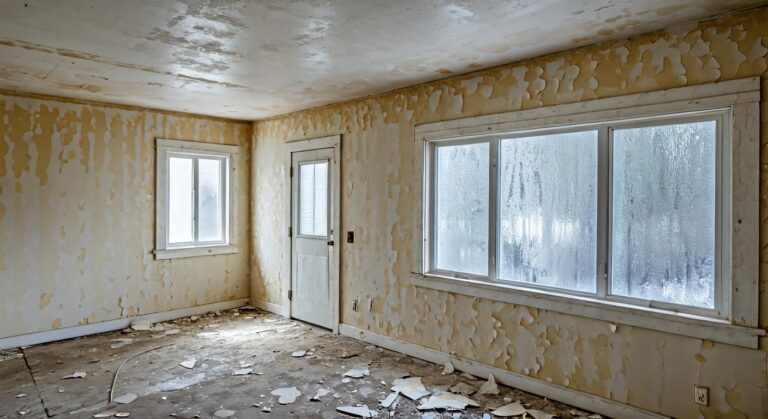
Dealing with damp walls in Whitehorse can be a major headache, especially with our unique northern climate that brings heavy snowfall in winter and relatively humid summer months. If you’ve noticed peeling wallpaper, unpleasant musty smells, or those telltale dark patches on your walls, you’re not alone. Many Whitehorse homeowners struggle with damp wall solutions that actually work in our specific environment. The good news is that with the right approach, you can effectively tackle moisture problems before they cause serious structural damage or health issues. Let’s explore five proven solutions that address the root causes of damp walls in Whitehorse homes.
Understanding Damp Issues in Whitehorse Homes
Before diving into solutions, it helps to understand why our homes in Whitehorse are particularly susceptible to damp problems. Our subarctic climate creates unique challenges – intense freeze-thaw cycles, significant indoor-outdoor temperature differences, and seasonal humidity fluctuations all contribute to moisture issues. Plus, many older homes weren’t built with the same moisture barriers we use today.
Common Signs of Damp Walls
If you’re wondering whether you’re dealing with a damp problem, look out for:
1. Proper Ventilation Systems
Poor ventilation is often the main culprit behind damp walls in Whitehorse homes. During our cold winters, we tend to keep homes tightly sealed for warmth, but this traps moisture inside.
Installing proper ventilation systems is one of the most effective ways to prevent and treat damp walls. Consider bathroom and kitchen exhaust fans that vent directly outdoors (not into attics). For a more comprehensive solution, a heat recovery ventilator (HRV) can exchange stale, moist indoor air with fresh outdoor air while preserving heat.
The beauty of good ventilation is that it works preventatively too. You’ll notice less condensation on windows, fewer musty odors, and generally better air quality throughout your home.
2. Interior Waterproofing Treatments
When dealing with existing damp walls, interior waterproofing treatments can be remarkably effective. These typically involve applying specialized waterproof coatings or membranes to interior wall surfaces.
Modern damp-proof paints and coatings are designed to seal porous surfaces and prevent moisture migration. Some products even contain anti-fungal agents to prevent mold growth. For Whitehorse homes, look for products specifically rated for extreme temperature variations.
Before application, make sure walls are thoroughly cleaned and any existing mold removed (wearing appropriate protective gear). While DIY application is possible for smaller areas, professional application might be worth considering for extensive dampness issues.
3. Exterior Drainage Improvements
Sometimes the source of damp walls comes from outside your home. With Whitehorse’s significant snowmelt in spring and occasional heavy summer rains, water can accumulate around your foundation if drainage isn’t adequate.
Key Exterior Solutions:
These exterior improvements might require some effort initially, but they address the root cause of many dampness issues rather than just treating the symptoms. Trust me, your walls (and your future self) will thank you!
4. Dehumidifiers and Moisture Control
Sometimes the simplest solutions can make a big difference. Using dehumidifiers strategically in your Whitehorse home can help maintain optimal indoor humidity levels, ideally between 30-50%.
Portable dehumidifiers work well for specific problem areas, while whole-house models can be integrated with your HVAC system for comprehensive moisture control. During Whitehorse’s humid summer months, these devices can be particularly valuable.
Remember that everyday activities like cooking, showering, and even breathing add moisture to your home. Simple habits like using lids when cooking, drying clothes outdoors when possible, and keeping bathroom doors closed during showers can significantly reduce indoor humidity.
5. Professional Damp Proofing and Insulation Upgrades
For persistent or severe damp wall issues, professional damp proofing may be necessary. This can include:
Many Whitehorse homes built before current building codes may lack adequate insulation or vapor barriers. Upgrading your insulation not only improves energy efficiency but also helps prevent condensation on cold walls – a major contributor to dampness.
Professional assessments can identify the specific type of damp problem you’re facing – whether it’s rising damp, penetrating damp, or condensation – and recommend the most effective treatment approach for your situation.
When to Call the Professionals
While many damp wall solutions can be DIY projects, some situations call for professional expertise:
Local Whitehorse contractors will understand our specific climate challenges and can recommend appropriate solutions.
Living in Whitehorse presents unique challenges for home maintenance, but with these five effective approaches to damp wall problems, you can protect your home and create a healthier living environment. Whether you opt for improved ventilation, waterproofing treatments, better drainage, dehumidification, or professional interventions, addressing moisture issues promptly will prevent more serious damage in the long run. Remember that the best damp wall solutions in Whitehorse often combine multiple approaches tailored to your home’s specific situation. Your home is your sanctuary – keeping it dry and healthy is an investment that pays dividends in both comfort and long-term value.


