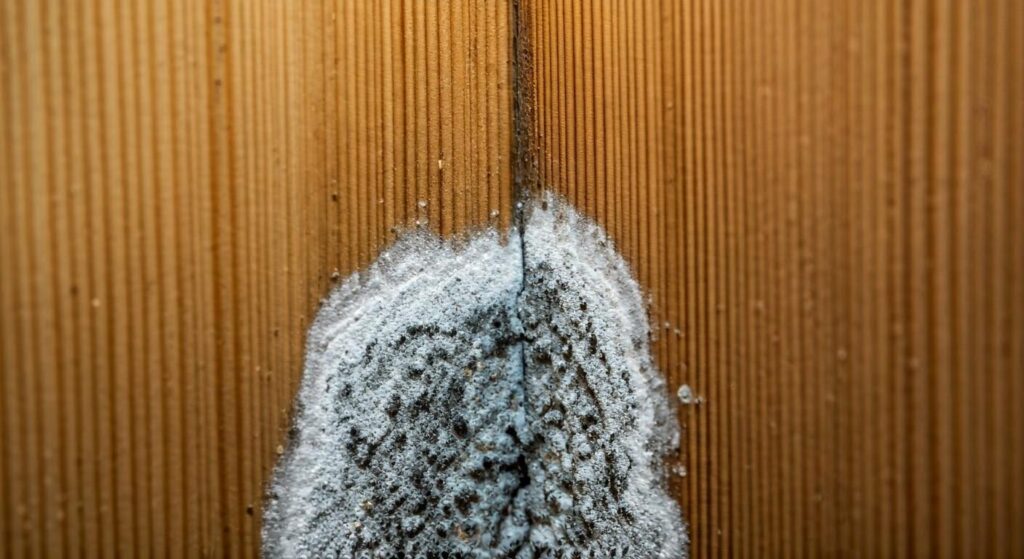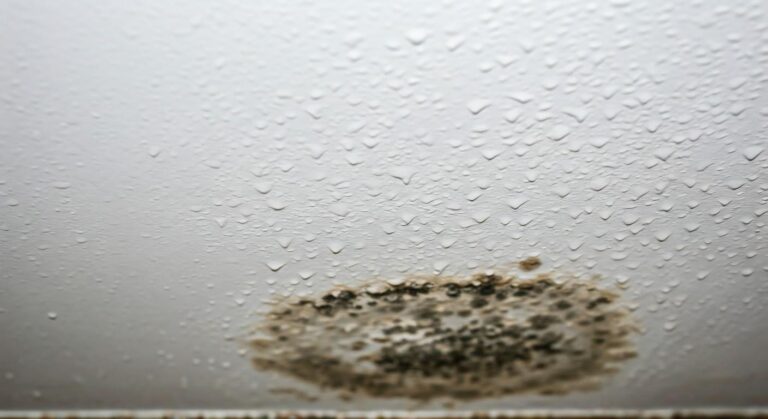
Discovering mold in your home can be a stressful experience, especially in Whitehorse’s unique climate where humidity levels can fluctuate dramatically between seasons. The combination of our cold winters and potentially damp springs creates perfect conditions for mold growth in unsuspecting corners of our homes. As someone who’s spoken with numerous mold damage restoration specialists in Whitehorse, I’ve gathered their most valuable insights to help you tackle this common household problem. Whether you’re dealing with a minor bathroom issue or a more extensive problem after water damage, these expert-recommended tips will guide you through the restoration process safely and effectively.
Understanding Mold Growth in Whitehorse’s Climate
Before diving into restoration techniques, it’s worth understanding why mold can be particularly problematic in Whitehorse. Our northern climate creates unique challenges for homeowners. During winter, the extreme temperature differences between heated interiors and freezing exteriors can create condensation on windows, walls, and within attic spaces. Come spring, melting snow and seasonal rainfall can increase moisture levels around foundations and basements.
“The biggest misconception we see is people thinking mold can’t grow in our dry, cold winters,” explains Joanna Miller, a local restoration specialist. “But poorly ventilated homes with high indoor humidity can actually be more susceptible during winter months when we keep everything sealed tight.”
Tip 1: Act Quickly to Assess the Extent of the Damage
When you discover mold, time is not on your side. Whitehorse experts unanimously recommend immediate action to prevent further spread.
How to Properly Assess Mold Damage
“People often underestimate how far mold has spread,” says Mike Thompson of Yukon Restoration Services. “What looks like a small bathroom ceiling problem could actually extend into attic insulation or between walls.”
Tip 2: Address the Moisture Source First
Removing mold without fixing the underlying moisture problem is like putting a bandage on a leaky pipe—it’s a temporary solution at best. Whitehorse restoration professionals emphasize that identifying and eliminating the water source must be your first priority.
Common moisture sources in Whitehorse homes include:
“I can’t tell you how many times we’ve seen homeowners clean mold only to have it return weeks later,” shares Emma Kowalski, a certified remediation specialist. “Without solving the moisture issue, you’re simply throwing money away on temporary fixes.”
Tip 3: Use Proper Protection and Containment Methods
When it comes to mold removal, safety should never be compromised. Professionals stress the importance of protective equipment and proper containment to prevent cross-contamination and protect your health.
Essential Safety Equipment
For containment, plastic sheeting and tape can isolate affected areas, while negative air pressure systems (for larger jobs) prevent spores from spreading to clean areas of your home.
“We see too many DIY attempts where people skip proper protection,” notes Daniel Chang of Northern Restoration. “Inhaling mold spores can cause significant respiratory issues, especially for those with allergies or asthma.”
Tip 4: Choose the Right Cleaning Solutions for Different Surfaces
Not all surfaces can be treated the same way when it comes to mold removal. Whitehorse experts recommend specific approaches based on the material you’re cleaning.
For non-porous surfaces like glass, metal, and some plastics, a mixture of water and detergent is often sufficient. However, porous materials like drywall, wood, and insulation may need specialized treatment or replacement if severely affected.
“One mistake we commonly see is people using bleach on porous surfaces,” explains restoration specialist Sarah Johnson. “Bleach doesn’t penetrate deeply enough into materials like wood or drywall, so the mold roots remain intact even though the surface looks clean.”
For natural cleaning options that work well in our region:
Tip 5: Implement Prevention Strategies After Restoration
Once you’ve successfully addressed your mold problem, Whitehorse restoration professionals emphasize the importance of prevention strategies specific to our northern environment.
Effective Mold Prevention in Whitehorse Homes
“The best mold damage restoration is the one you never have to do,” says veteran remediation expert James Wilson. “With proper preventative measures, most Whitehorse homeowners can avoid serious mold issues entirely.”
Remember that seasonal maintenance is particularly important in our climate. Fall preparation for winter moisture control and spring checks for snow melt infiltration can save you thousands in potential restoration costs.
Dealing with mold damage can be challenging, but with these expert tips from Whitehorse’s leading restoration professionals, you can approach the problem systematically and effectively. By understanding the unique factors that contribute to mold growth in our northern environment, acting quickly, addressing moisture sources, using proper protection, choosing appropriate cleaning methods, and implementing prevention strategies, you’ll be well-equipped to handle mold issues in your home. When in doubt, don’t hesitate to consult with local mold damage restoration specialists who understand the specific challenges of Whitehorse properties.